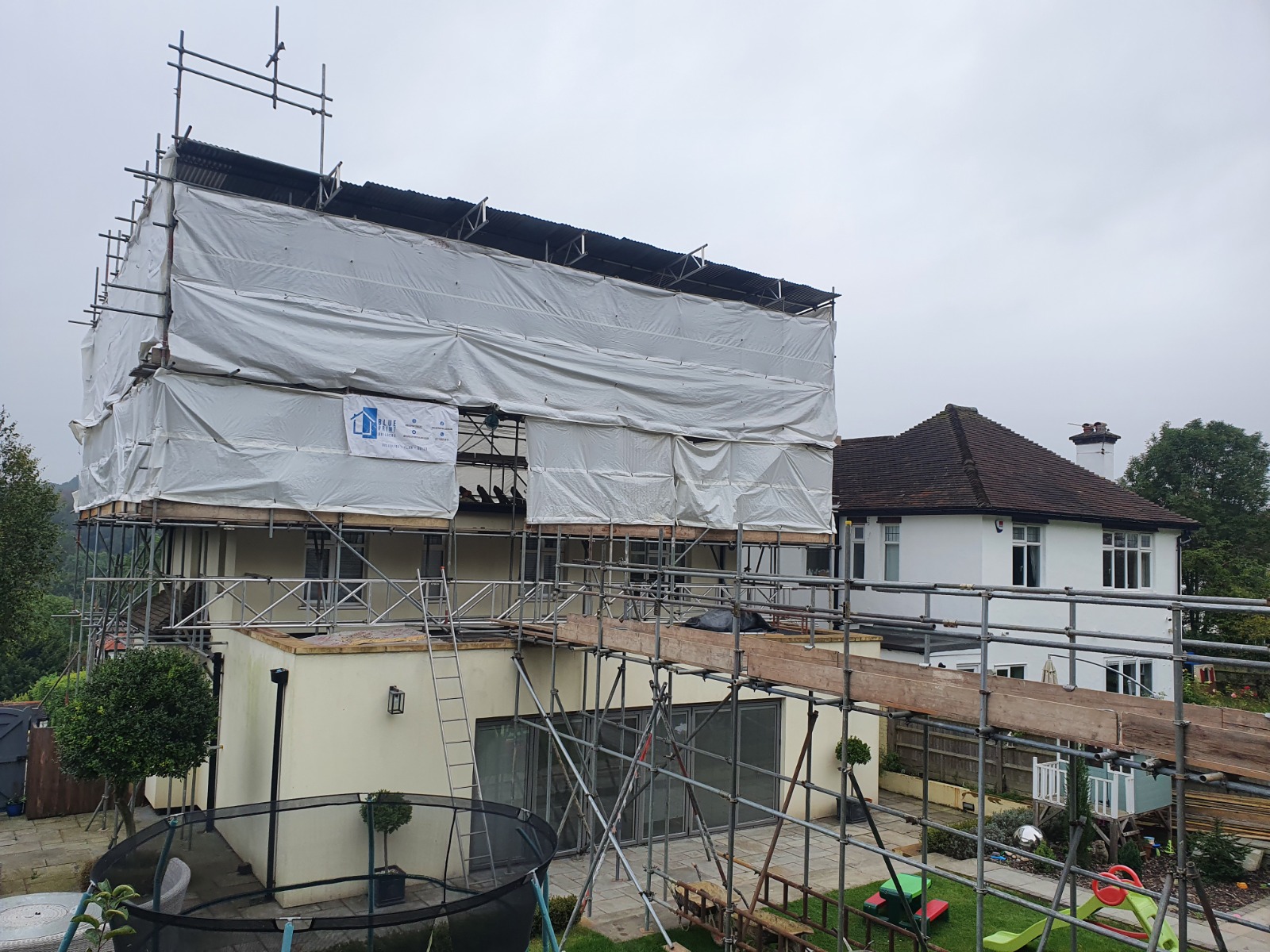
Managing construction projects has become increasingly complex with evolving technologies, supply chain challenges, and higher client expectations. Here’s how to succeed.
Modern Planning Tools
Digital Project Management
Embrace technology for better oversight:
Essential Software:
- Procore or BuilderTrend for overall project coordination
- PlanGrid for document management
- CoConstruct for client communication
- Bluebeam for markup and collaboration
BIM Integration
Building Information Modeling is now standard:
# BIM coordination example
class ProjectTimeline:
    def __init__(self, bim_model):
        self.model = bim_model
        self.conflicts = self.detect_conflicts()
        self.schedule = self.generate_optimized_schedule()

    def detect_conflicts(self):
        # Check for MEP conflicts, structural issues
        return self.model.check_clash_detection()

    def optimize_schedule(self):
        # Use AI for optimal sequencing
        return self.ai_schedule_optimizer()
Supply Chain Management
Strategic Material Procurement
Supply chains remain challenging—plan ahead:
Critical Considerations:
- Multiple Supplier Options for key materials
- Lead Time Tracking for all components
- Alternative Materials pre-approved for substitutions
- Local Sourcing when possible for reliability
Risk Management Strategies
Proactive Issue Resolution
Identify problems before they escalate:
Common Risk Areas:
- Weather Delays - Plan for seasonal impacts
- Labor Shortages - Have backup crews available
- Material Price Volatility - Use escalator clauses
- Permit Delays - Submit early, track closely
Safety Management
Safety and productivity go hand-in-hand:
Daily Safety Protocols:
- Job Hazard Analysis for each task
- Toolbox Talks covering specific risks
- Equipment Inspections documented
- Near Miss Reporting to prevent incidents
Financial Management
Budget Tracking Precision
Know your numbers in real-time:
Cost Categories to Track:
- Labor Hours by crew and task
- Material Costs vs budget
- Equipment Expenses including fuel and maintenance
- Subcontractor Billing vs work completed
Performance Metrics
Key Performance Indicators
Track what matters most:
Essential Metrics:
- Schedule Performance Index (SPI)
- Cost Performance Index (CPI)
- Safety Incident Rate
- Client Satisfaction Scores
- Profit Margin by Project Phase
Success Factors
The Project Manager’s Role
Great PMs excel in these areas:
Critical Skills:
- Communication - Clear, frequent, honest
- Problem Solving - Creative, practical solutions
- Team Building - Motivate and coordinate diverse groups
- Financial Literacy - Understand budgets thoroughly
- Technology Adoption - Embrace useful innovations
Construction project management in 2026 requires blending traditional skills with modern technology. Those who master both will lead the industry and build sustainable, successful businesses.